Preparing Ground That Actually Grows
Food Plot Installation in Jefferson for Hunting Properties Where Poor Site Selection and Inadequate Preparation Limit Wildlife Attraction
Food plots fail when planted in compacted soil, heavy shade, or areas with standing water during critical growth periods, wasting seed and limiting the wildlife benefits that justify the effort. Site selection, clearing, and soil preparation determine whether a plot produces the forage and attraction you're after or becomes another overgrown patch ignored by deer and turkey. Johnson Land Service provides food plot installation services throughout Jefferson on hunting land, recreational tracts, and large rural properties where proper ground preparation makes the difference between a productive plot and wasted investment.
Installation involves evaluating site conditions for sunlight exposure, drainage patterns, and accessibility, then clearing vegetation, grading for water management, and preparing seedbeds that support germination and root establishment. The service includes site layout to maximize edge habitat and visibility, soil work to break compaction and improve tilth, and final grading that sheds excess water without eroding topsoil during establishment.
Request a food plot consultation to identify suitable locations on your property and determine what preparation work is required before planting.
What Food Plot Preparation Actually Accomplishes
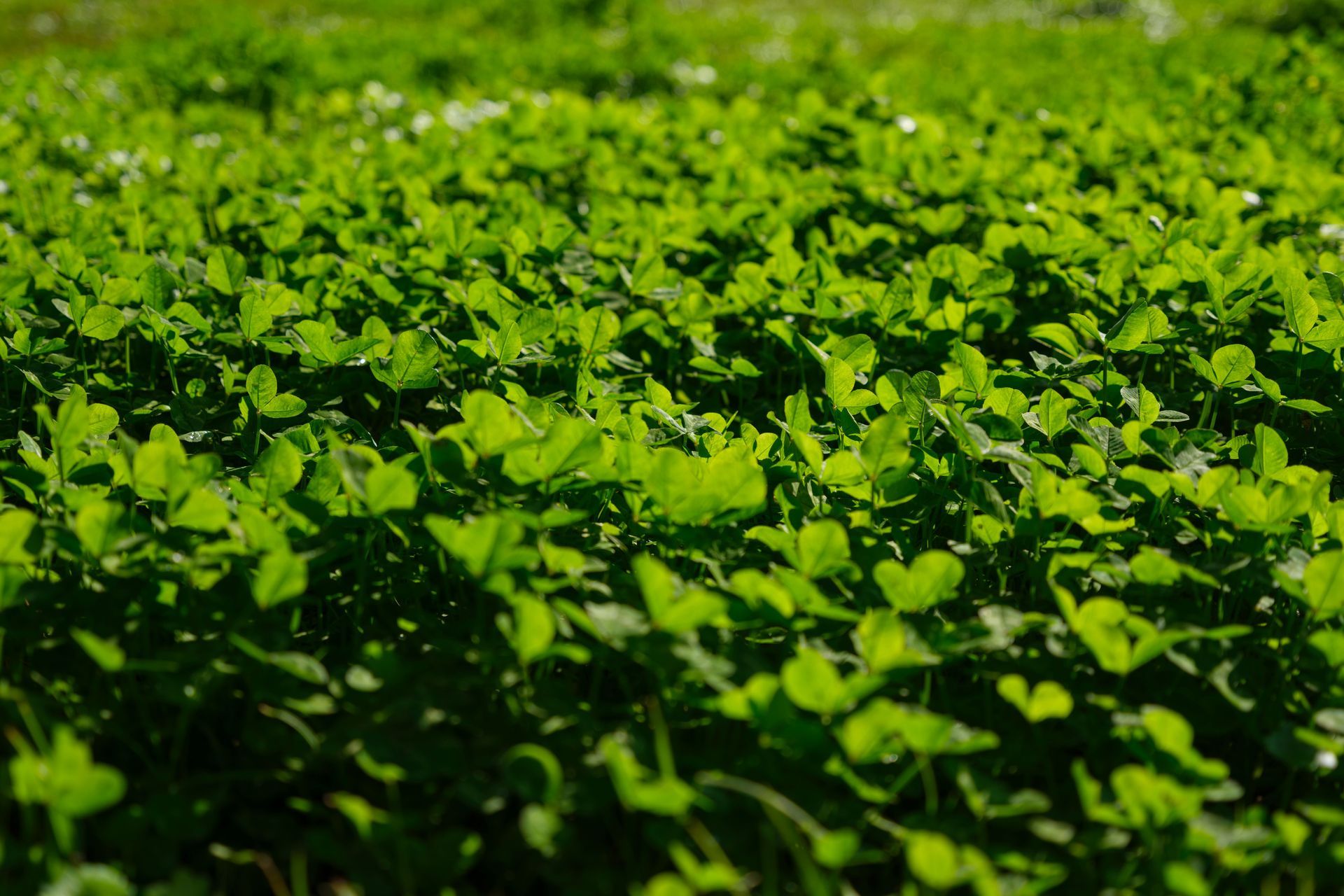
Successful plots start with selecting locations that receive at least six hours of direct sunlight, drain well enough to avoid standing water, and sit within travel corridors wildlife already use. Clearing removes competing vegetation and canopy cover that shades out food crops, while grading establishes gentle slopes that prevent washouts and ensure even moisture distribution. Soil is tilled or disced to break compaction, incorporate amendments if soil testing indicates deficiencies, and create a seedbed texture that allows seed-to-soil contact without crusting after rain.
Once preparation is complete, you'll have defined plot boundaries with clear sightlines for observation, soil conditions that support seed germination rather than rot, and drainage characteristics that keep plots from flooding or drying out prematurely. Johnson Land Service tailors site work to match your planting plans and property terrain, whether that means small clearings in timber for secluded plots or larger open areas designed for high-visibility attraction. The prepared ground is ready for immediate seeding or can wait until optimal planting windows without losing tilth or reverting to weed growth.
Plot projects range from single half-acre clearings to multi-plot systems distributed across larger tracts. Site work complexity increases with terrain slope, existing vegetation density, and soil conditions—some properties require only light clearing and discing, while others need significant grading and drainage structures to make marginal sites productive. Access for equipment, proximity to existing trails, and integration with overall property management goals all factor into plot placement and preparation methods.
Answers to Frequent Food Plot Questions
What makes a good location for a food plot?
Sites with adequate sunlight, natural drainage away from low spots, and proximity to cover where wildlife bed or travel produce the best results. Avoid heavy shade, wet depressions, and isolated areas wildlife rarely visit.
How is soil prepared to support food crop growth?
Vegetation is cleared, soil is tilled to break compaction and incorporate organic matter, and the surface is smoothed to create a seedbed that retains moisture without puddling. Lime and fertilizer applications follow soil testing recommendations if deficiencies exist.
Why do some food plots fail after planting?
Poor drainage, inadequate sunlight, soil compaction, or planting outside optimal windows all reduce germination and growth. Preparation work addresses these limiting factors before seed goes in the ground.
When should food plot sites be prepared for fall planting?
Late summer preparation allows time for initial weed germination and control before planting cool-season crops in early fall. Spring plot preparation should occur after soil dries enough to avoid compaction from equipment traffic common in Jefferson's clay soils.
What equipment is used during food plot installation?
Clearing equipment, tractors with discs or tillers, and grading blades depending on site conditions and preparation needs. Equipment selection matches terrain accessibility and the level of soil work required to create productive planting conditions.
Johnson Land Service completes food plot installation with attention to site-specific conditions that affect crop success and wildlife use. Schedule a property visit to discuss plot locations, preparation requirements, and how site work can improve habitat quality and hunting opportunities on your land.
Landowners planning food plot systems often ask about site selection and preparation before beginning projects.