
Foundations Built on Deliberate Planning
Site Preparation in Jefferson for homes, barns, and commercial structures that require stable building pads and managed drainage
Site preparation creates the stable foundation every construction project depends on, involving clearing, excavation, grading, drainage planning, and pad preparation that transforms uneven terrain into a level surface ready for footings and framing. Northeast Georgia topography includes slopes, clay soils, and seasonal water movement that affect where structures can sit without settling or flooding. Johnson Land Service handles site preparation across Jefferson, adapting plans to properties where bedrock may surface unexpectedly, drainage paths cross building footprints, or access routes require careful grading to avoid erosion. Preparation work determines whether a foundation remains level as clay soils expand and contract through wet and dry cycles.
Preparation involves stripping topsoil from the building pad, excavating to reach undisturbed subsoil or bedrock that provides stable bearing, installing drainage features that redirect water away from the foundation, and compacting fill material if grade must be raised. Grading extends beyond the immediate pad to slope surfaces away from the structure and toward drainage swales or retention areas. Each phase must finish before the next begins—foundations cannot be poured until excavation exposes stable soil, and final grading waits until utility trenches are backfilled and compacted.
Schedule a site preparation consultation to review soil conditions and grading requirements for your project.
Why Site Preparation Affects Long-Term Structural Integrity
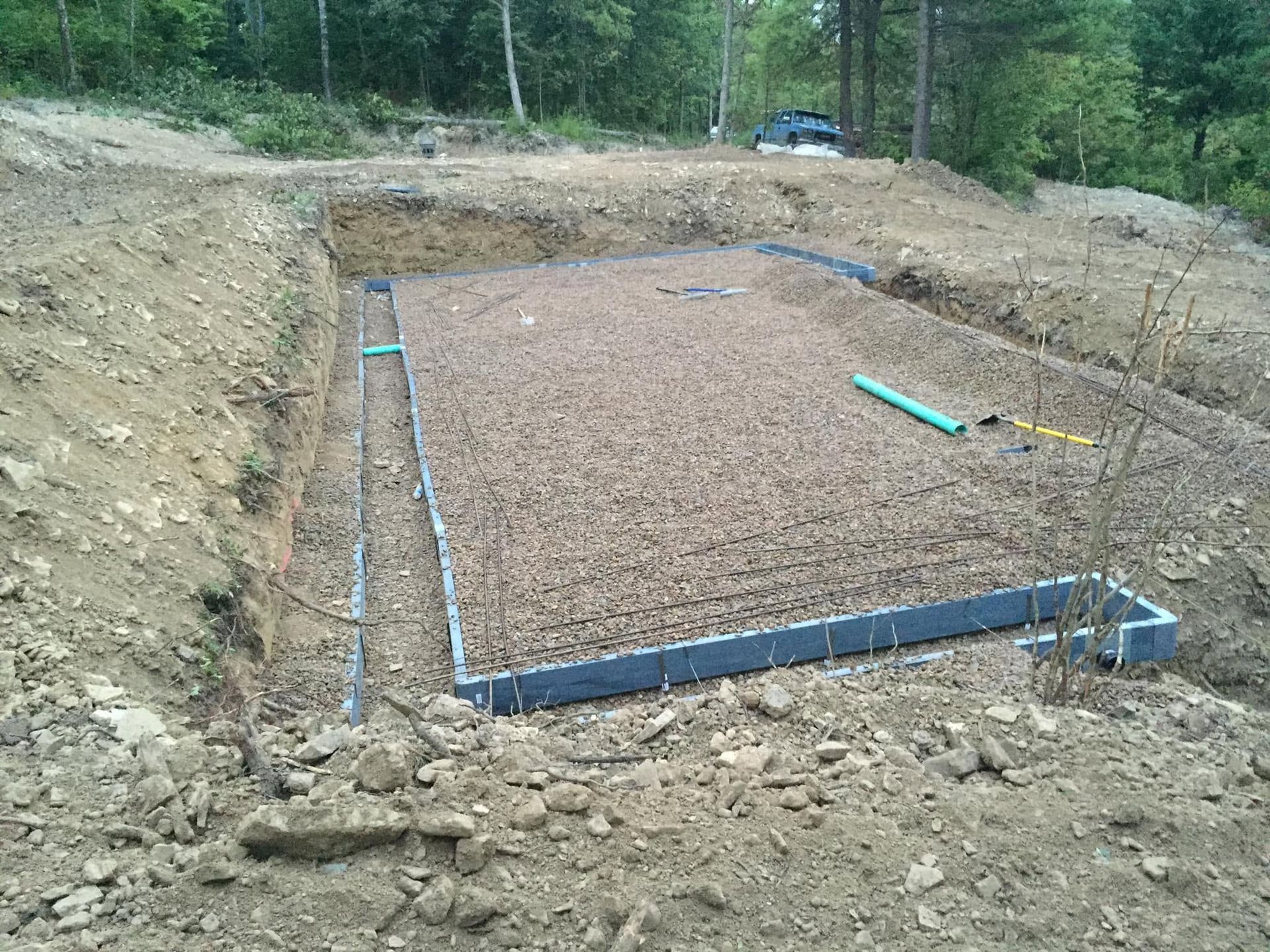
Preparation starts with surveying to establish elevations and mark building corners, followed by clearing vegetation and stripping organic topsoil that would compress under structural loads. Excavation removes additional soil until the pad reaches stable bearing material, with compaction tests confirming that density meets engineering specifications before concrete crews arrive. Drainage features installed during this phase include perimeter swales, subsurface drains beneath the pad, and graded slopes that guide stormwater away from the foundation perimeter.
Once preparation completes, you see a level pad with clean edges, exposed subsoil or crushed stone base that provides uniform support, and drainage paths that visibly slope away from the building footprint. Pad elevations match engineering plans so finished floor heights clear floodplain requirements or align with existing structures. Compacted fill resists settling even when saturated, preventing cracks in slabs or uneven floors that result from soil compression after construction finishes.
Site preparation for homes, barns, shops, recreational facilities, and commercial developments throughout Jefferson accounts for structure weight, soil bearing capacity, and long-term drainage performance. Preparation includes roughing in access drives, staging areas for material deliveries, and temporary erosion control that prevents sediment from washing off-site during construction. Timing coordination with concrete contractors and utility installation crews prevents delays caused by incomplete preparation work.
Common Site Preparation Questions
What determines the depth of excavation for a building pad?
Pads must reach undisturbed soil or bedrock capable of supporting the structure without settling, which means excavation depth depends on how much topsoil and loose fill overlays stable bearing material. Engineers specify minimum depths based on soil tests and foundation design loads.
How does drainage planning during site preparation prevent future water problems?
Preparation work establishes swales, slopes, and subsurface drains that guide water away from foundations before landscaping or paving might trap runoff against the structure, which prevents basement seepage, slab undermining, and erosion that develops when drainage is added as an afterthought.
Why must fill material be compacted during site preparation?
Uncompacted fill settles unevenly under structural weight, causing slabs to crack and foundations to shift, so each lift of fill material is compacted to specified density before additional layers are added. Compaction eliminates air pockets and increases soil density to match or exceed the bearing capacity of undisturbed ground.
When does site preparation need to coordinate with utility installation?
Utility trenches for water, sewer, and electrical lines must be dug, piped, backfilled, and compacted before final grading establishes finished elevations, which means preparation schedules depend on utility crews completing underground work without leaving soft spots that would settle beneath the building pad.
What site access considerations affect preparation timelines?
Equipment delivering concrete, framing materials, and mechanical systems needs stable driveways and turnaround space, so preparation includes roughing in access routes that remain passable during construction even when wet weather turns exposed soil into mud.
Johnson Land Service tailors site preparation to the soil and terrain conditions found throughout Northeast Georgia. Contact us at (814) 516-6994 to arrange an evaluation and discuss preparation requirements for your building project.
Property owners planning construction in Jefferson benefit from understanding how site preparation addresses soil stability, drainage control, and access requirements that affect project timelines and long-term structural performance.