Clearing Land Without Leaving Problems Behind
Tree Removal in Jefferson for Properties Where Hazardous or Obstructive Trees Threaten Safety and Development Plans
Dead standing timber near structures, root systems undermining driveways, and canopy overhangs blocking sunlight all require removal decisions that go beyond simply felling a tree. Johnson Land Service handles tree removal across Jefferson for residential lots, agricultural tracts, and recreational properties where trees have become liabilities rather than assets. Each removal involves equipment positioning, directional planning, and cleanup protocols that prevent damage to what you're keeping while eliminating what needs to go.
The service addresses trees compromised by disease, storm damage, or structural instability, along with healthy specimens that obstruct construction zones, fence lines, or future land use. Equipment selection depends on site access, tree diameter, lean angle, and proximity to structures or utilities. Removal includes sectioning the trunk if necessary, grinding stumps below grade when requested, and clearing debris from the work zone so the property is ready for its next phase.
Schedule an on-site assessment to identify which trees require removal and determine the safest approach for your property layout.
What Happens During and After Tree Removal
Removal work begins with establishing drop zones and confirming clearance around the tree base. Rigging may be required when working near buildings or power lines, and sectioning occurs when full-length felling isn't feasible. Stumps are cut flush with grade or ground down depending on your plans for the area, with wood chips either dispersed on-site or removed based on project scope.
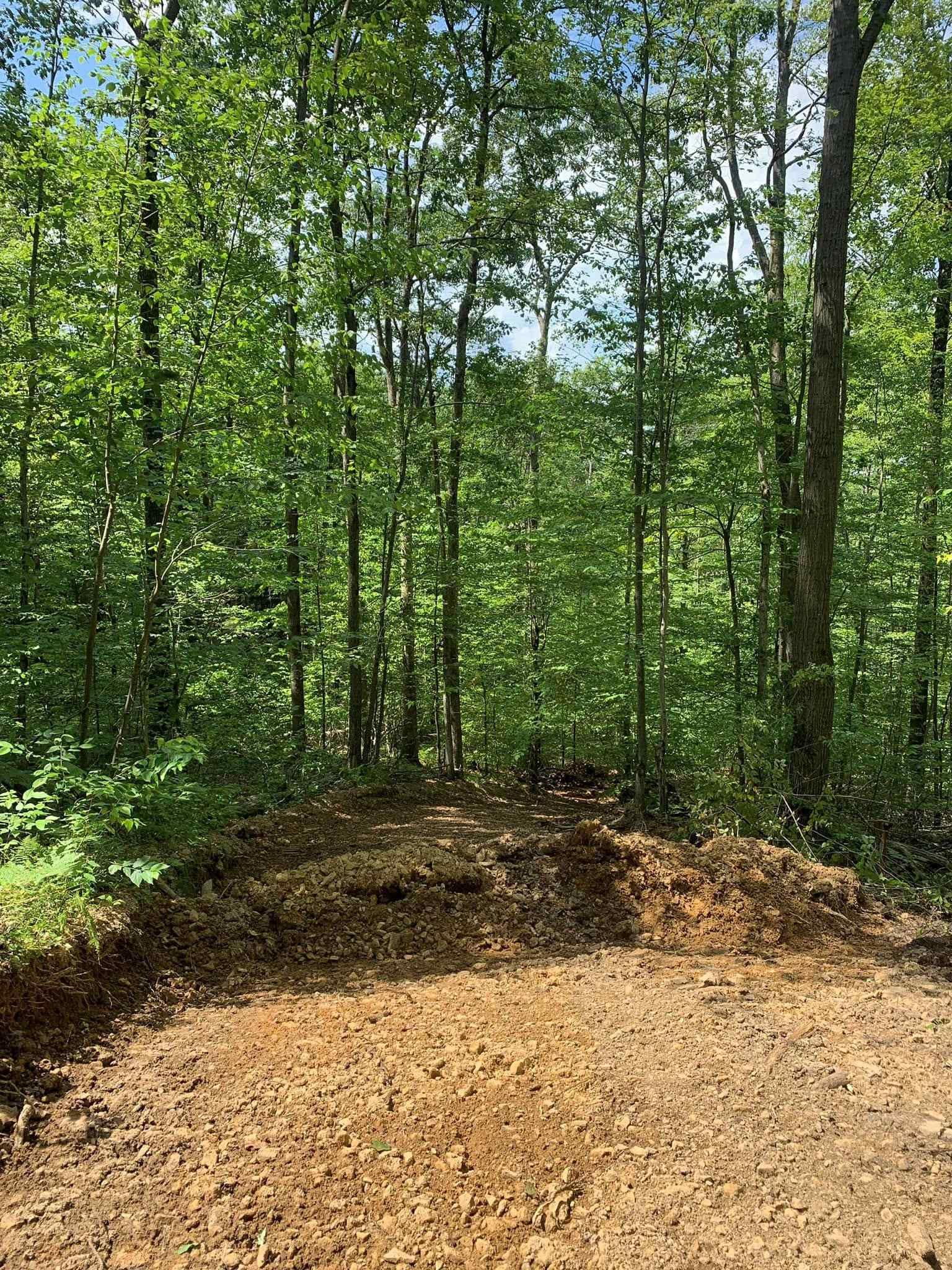
Once the tree is down and debris is cleared, you'll notice unobstructed sightlines, improved sunlight penetration to ground level, and elimination of the hazards that prompted removal. Johnson Land Service completes cleanup so no limbs, trunks, or scattered bark remain unless you've requested otherwise. The cleared space becomes immediately usable for grading, planting, construction staging, or pasture expansion.
Removal projects range from single-tree extractions on residential lots to multi-acre clearing operations on development sites. The process scales to match property size and timeline requirements, with equipment mobilized to handle everything from backyard removals to tract-scale land clearing. Stump grinding depth is adjusted based on whether you're replanting, grading, or simply maintaining mowable turf over the area.
Questions About Tree Removal Services
What determines whether a tree can be safely removed?
Site access for equipment, tree lean direction, proximity to structures, and root stability all factor into whether removal can proceed safely. An on-site evaluation identifies any rigging or sectioning requirements before work begins.
How is debris managed after the tree comes down?
Limbs and trunks are either hauled off-site or chipped and spread depending on your preference. Stump grinding produces wood chips that can be raked smooth or removed entirely based on how you plan to use the cleared area.
Why does removal cost vary between properties?
Tree diameter, access difficulty, proximity to obstacles, and stump grinding depth all affect project complexity. A leaning tree near a fence line requires more rigging and precision than an open-field removal.
When should removal happen before construction or land development?
Clearing should occur before grading equipment arrives, so stumps and root systems don't interfere with earthwork or foundation preparation. Removal during dry soil conditions also reduces site compaction from heavy machinery.
What equipment is used for tree removal projects in Jefferson?
Chainsaws, skid steers, stump grinders, and occasionally cranes or bucket trucks depending on tree height and site constraints. Equipment selection is based on what the property layout and tree characteristics demand for safe, efficient work.
Johnson Land Service manages removal projects from initial assessment through final cleanup, ensuring properties are left ready for their intended use. Request a tree removal evaluation to determine the safest removal plan for your specific site conditions.
Property owners throughout Jefferson and surrounding areas often ask about removal logistics before committing to projects.