
Space Reclaimed for Future Projects
Land Clearing in Jefferson for construction sites, pasture expansion, and recreational areas where dense undergrowth and mature trees limit property use
Land clearing removes trees, brush, undergrowth, and unwanted vegetation to create usable space for homes, barns, pastures, or recreational facilities. Johnson Land Service handles clearing projects across Jefferson, working with properties where pine thickets, hardwood stands, and vine-tangled understory make access difficult and obscure underlying terrain that needs grading or excavation before construction begins. Clearing methods depend on whether stumps must be removed entirely for foundation work, ground flush for mowing, or left in place where root systems will stabilize soil on steep slopes.
The process involves cutting vegetation at ground level or below, separating timber that has salvage value from brush destined for mulching or off-site disposal, and addressing root masses that would interfere with grading or underground utilities. Equipment ranges from tracked machines that mulch small brush in place to excavators that extract stumps and root balls for projects requiring bare soil. Clearing exposes rocks, gullies, or wet areas invisible beneath thick vegetation, which affects how the site will be prepared for its next use.
Request a land clearing estimate to define the scope and determine debris management for your property.
What Effective Land Clearing Accomplishes
Clearing begins by marking property boundaries and identifying trees or features to preserve, then systematically removing vegetation in sections that allow equipment to work efficiently without crossing unstable ground. Operators separate hardwood logs that can be milled or sold from pine and brush that gets chipped into mulch or piled for burning where local regulations permit. Stump removal adds time but eliminates obstacles that prevent smooth grading or interfere with underground utility installation.
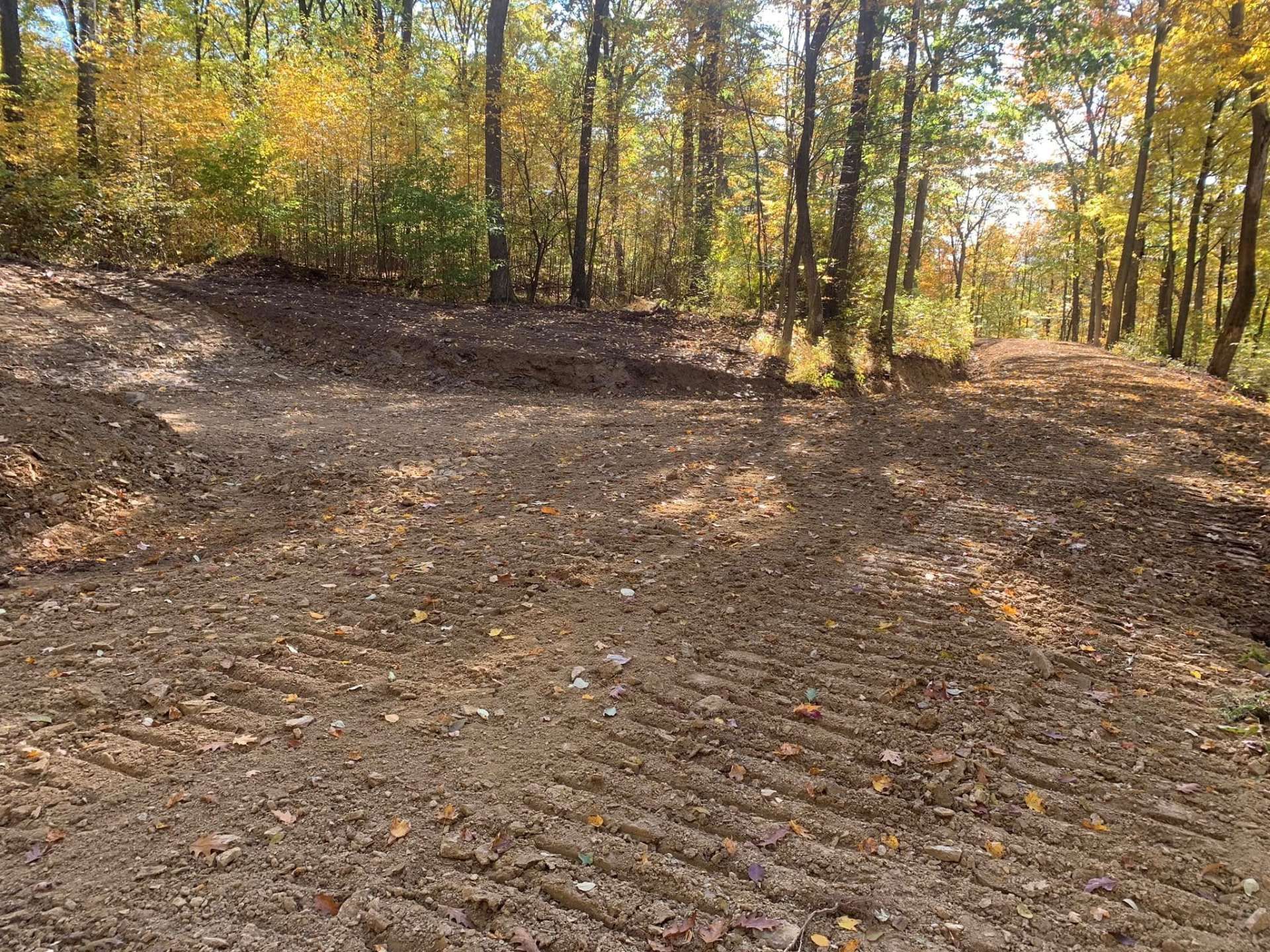
After clearing, you see open ground with defined boundaries, improved sight lines that reveal terrain contours and drainage paths, and access routes wide enough for construction equipment or maintenance vehicles. Stumps ground below surface level leave a field ready for mowing or planting, while full extraction creates bare soil prepared for immediate grading or foundation excavation. Properties gain visibility from roads, reduce wildfire fuel loads near structures, and provide space for livestock rotation or recreational trails.
Clearing projects across residential, agricultural, and recreational properties in Northeast Georgia adapt to vegetation density and site goals. Selective clearing preserves mature shade trees or windbreaks while removing invasive species and underbrush that harbor pests. Full clearing prepares sites for development where every tree must go to accommodate buildings, septic systems, or access drives that require specific alignments.
Questions Before Clearing Work Begins
What happens to cleared trees and brush after removal?
Timber with commercial value can be separated and sold or milled, while brush and small trees are mulched on-site to spread as ground cover, chipped for disposal, or piled for burning if county burn permits are available and weather conditions allow safe operations.
How does stump removal depth affect future land use?
Stumps ground flush with the surface allow mowing and light landscaping but leave root systems that decay slowly and may interfere with shallow utilities, while full extraction removes roots entirely and prepares the site for grading, foundation work, or underground infrastructure that demands obstacle-free soil.
Why does clearing method vary between properties?
Dense pine thickets may be mulched in place using forestry equipment that grinds material into soil-enriching chips, while properties with large hardwoods require cutting, hauling, and stump extraction that takes longer but leaves cleaner results. Site access and soil stability also determine which equipment can work safely without rutting the ground.
When is the best time to schedule land clearing?
Dry months allow equipment to access sites without excessive soil compaction or rutting, though winter clearing in Jefferson takes advantage of dormant vegetation and reduced insect activity. Wet conditions delay work on clay soils that become impassable when saturated.
What permitting or environmental considerations affect clearing projects?
Projects near streams, wetlands, or protected habitats may require erosion control measures or buffer zones that limit how close clearing can approach water bodies, and local ordinances sometimes restrict burning or require inspections before trees are removed in subdivisions or historical districts.
Johnson Land Service adjusts clearing techniques to match vegetation density and site conditions throughout Northeast Georgia. Call (814) 516-6994 to discuss clearing scope and schedule a property assessment.
Land clearing in Jefferson varies with vegetation type, stump removal requirements, and debris disposal methods, so understanding what each option involves helps property owners choose the right approach for their project.