Clearing Overgrowth While Improving the Ground
Forestry Mulching in Jefferson for Overgrown Properties Where Traditional Clearing Methods Leave Erosion and Hauling Problems
Thick underbrush, invasive saplings, and years of unchecked vegetation growth turn usable land into impassable thickets that block access and reduce property functionality. Forestry mulching grinds that overgrowth into fine organic material that stays on-site as ground cover, eliminating the need for burning, hauling, or pile management. Johnson Land Service operates mulching equipment throughout Jefferson on hunting tracts, trails, agricultural land, and development sites where vegetation has overtaken cleared areas or property boundaries have disappeared under years of growth.
The process uses a rotating drum with carbide teeth to shred vegetation into mulch that settles into an even layer across the cleared zone. This mulch layer suppresses regrowth, holds soil in place during rain events, and decomposes into organic matter over time. Unlike bulldozing or burning, mulching leaves root systems intact below grade, which stabilizes soil and prevents the erosion channels that often follow traditional clearing.
Arrange a site visit to evaluate vegetation density and determine how mulching can restore access and usability to overgrown portions of your property.
Why Mulching Works Better for Certain Clearing Projects
Mulching handles vegetation up to six inches in diameter without requiring separate cutting, stacking, and removal steps. The machine processes brush, saplings, vines, and low-growth trees in a single pass, leaving a uniform mulch layer typically two to four inches deep. This approach works well on sloped ground where pushing vegetation downhill would create erosion risks or where access limitations prevent hauling equipment from reaching the site.
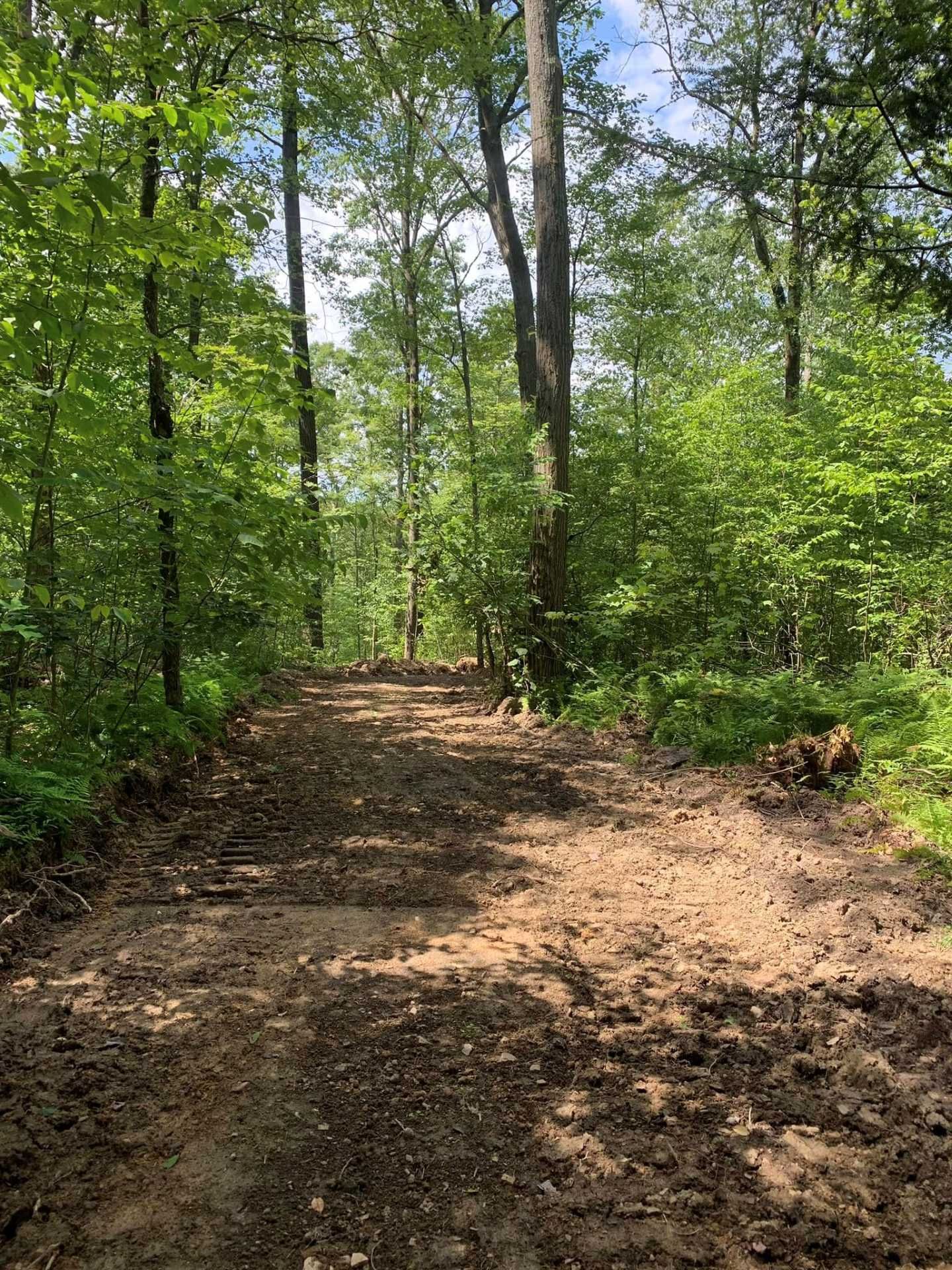
After mulching is complete, you'll notice clear sightlines across previously tangled areas, stable ground that doesn't wash during storms, and a surface that supports foot traffic or equipment movement immediately. The mulch layer acts as a weed barrier while retaining moisture near the soil surface, which benefits any replanting or seeding you plan afterward. Properties that were impassable before mulching become navigable and visually manageable without the bare soil and ruts left by conventional clearing.
Mulching is particularly effective for maintaining hunting land trails, reopening fence lines, preparing agricultural ground, and clearing recreational property without disturbing mature trees you want to keep. The process doesn't compact soil the way tracked dozers do, and it eliminates the fire permits and weather delays associated with burn operations. Projects are completed quickly with minimal site disturbance beyond the targeted vegetation removal.
Common Questions About Forestry Mulching
What types of vegetation can forestry mulching handle?
Brush, saplings, vines, brambles, and small trees up to six inches in diameter are processed effectively. Larger trees require separate removal before mulching begins.
How does mulching prevent erosion compared to other clearing methods?
The mulch layer left on-site absorbs rainfall impact, slows runoff, and holds soil in place while decomposing into organic matter. Traditional clearing often leaves bare ground vulnerable to channeling and topsoil loss during storms common in Jefferson.
Why is there no hauling or burning required?
Vegetation is ground into small pieces that settle into a thin layer on the ground, eliminating debris piles and the need for off-site disposal. The process is self-contained within the clearing zone.
When should mulching be done to prepare hunting land?
Late summer or early fall allows the mulch layer to settle and decompose slightly before planting food plots or establishing trail systems for the hunting season.
What does the property look like immediately after mulching?
The cleared area will show a uniform mulch layer covering the ground with all standing vegetation removed. Sightlines open up, and the surface is firm enough for walking or equipment use without the muddy conditions typical after dozer work.
Johnson Land Service completes mulching projects with attention to property boundaries and features you want preserved, leaving cleared land ready for immediate use. Contact us to learn how forestry mulching can address overgrowth on your property while improving long-term soil stability.
Landowners across Northeast Georgia frequently ask about mulching before committing to clearing projects.